
Class Summary
October 19, 2025 @ 10:00 am - 12:00 pm
- In general, you will need to provide an image (or images) that we can use to print a digital negative in order to create a cyanotype.
- We will provide you with certain paper options. However, you are welcome to bring your own paper, fabric, or other materials that you may like to use. We will, however, begin by using paper.
- We will provide you with rubber gloves and all the chemistry we will need to create our prints. We strongly recommend bringing an apron, one that you won’t mind if it changes colors.
• In this workshop, we will be utilizing cyanotype chemistry, consisting of ferric ammonium citrate (for light sensitivity) and potassium ferricyanide (for color). As described by the chemistry company Photographers Formulary, “…[Potassium Ferricyanide] is not particularly toxic… [unless] placed in a strong acid solution; however, strong acid is not used in the cyanotype process.”
• Because we will be working with chemistry, you must follow all instructions given regarding chemistry and personal protective equipment.
• Because this chemistry can stain, we will be taking precautions and wearing gloves. We strongly recommend bringing an apron, one that you won’t mind if it changes colors.
Refund Policy – Classes / Walks / Workshops
For classes, walks, & workshops, cancellations and postponement can be made up to 48-hours prior to the scheduled time. Refunds cannot be granted for cancellations placed less than 72-hours/3-days before a class or walk, but you can receive a 75% credit toward a future class, walk, or workshop.
For all cancellations, you must contact classes@huntsphoto.com prior to the event. If you register for a class and do not show up, your payment will be forfeited..
Join Hunt’s Photo Education as we dive into hand-printing!
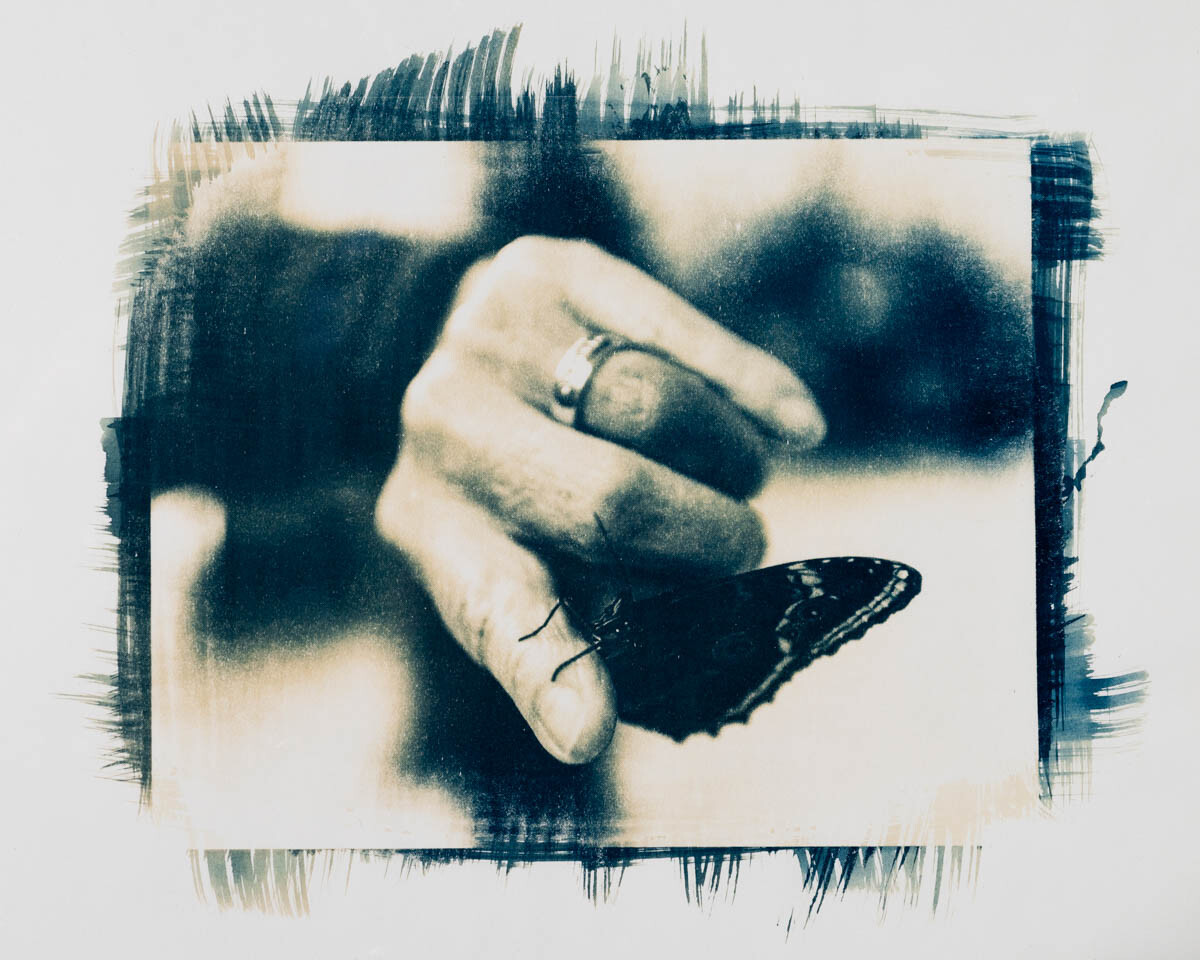
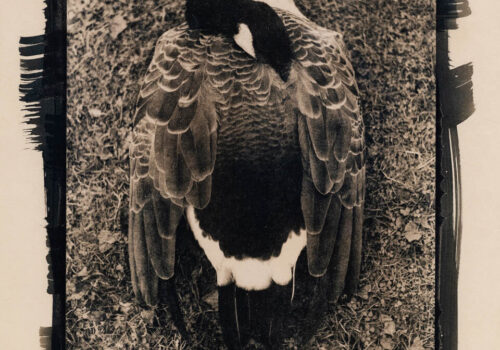
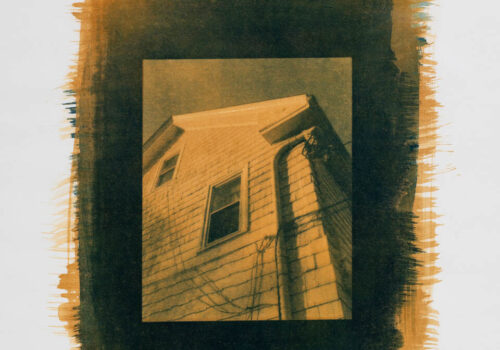
Cyanotypes are quite literally BLUE prints that can be simply made by placing a negative on top of a piece of coated paper (or other material) under UV light (or the sun) for a period of time. Once washed in water, the resulting print produces a brilliant blue image on a white background.
During our mini-sessions, we will create cyanotypes by coating (and drying) papers and fabrics, create test prints and final prints, and discuss additional elements to change the look of our final prints, including bleaching and toning. We will be utilizing hand-made UV boxes in the store (so if the weather isn’t great, we don’t have to rely on the sun).
To prepare for this class, we will send out a pre-recorded video a few days prior to the class where we will discuss the process, materials needed, and the preparation to be working with the cyanotype chemistry (see Misc notes above). We will also discuss how to create a digital negative. In advance of the class, we will be creating your own digital negatives from an inkjet printer, so you don’t actually need a negative and you don’t need a printer, as we will be printing them in the store.
One Final Note: All chemistry, negative creation (up to 8×10), and some papers will be provided. You are welcome to bring other papers or fabrics, if you would like to use them.
This class is also one that you are welcome to take multiple times. Come try it out, then come back and create more! You can be a beginner or an intermediate creator!
A few items of note:
• In this workshop, we will be utilizing cyanotype chemistry, consisting of ferric ammonium citrate (for light sensitivity) and potassium ferricyanide (for color). As described by the chemistry company Photographers Formulary, “…[Potassium Ferricyanide] is not particularly toxic… [unless] placed in a strong acid solution; however, strong acid is not used in the cyanotype process.”
• Because we will be working with chemistry, you must follow all instructions given regarding chemistry and personal protective equipment.
• Because this chemistry can stain, we will be taking precautions and wearing gloves. We strongly recommend bringing an apron, one that you won’t mind if it changes colors.