Fauxtography- The Best Photographer Doesn’t (Necessarily) Make the Best Teacher
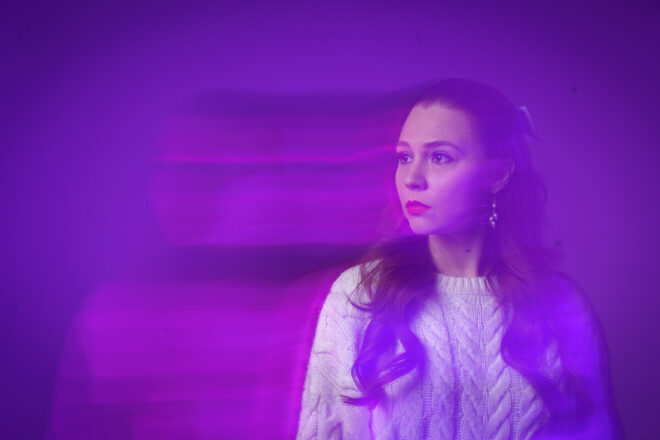
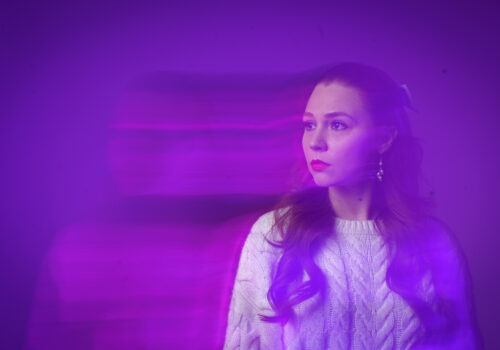
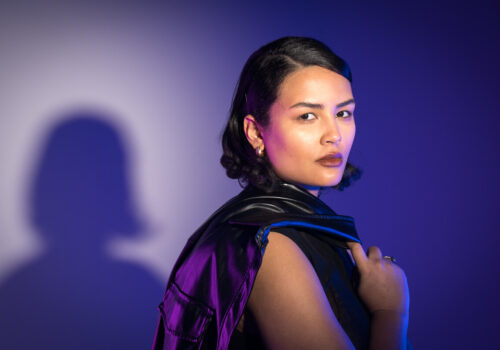
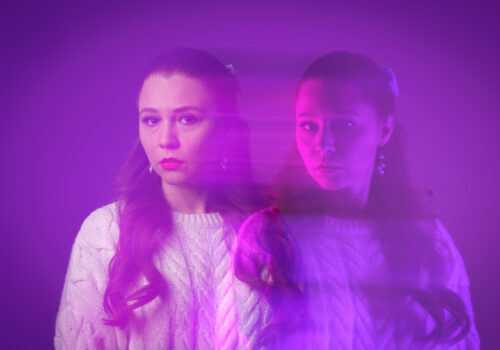
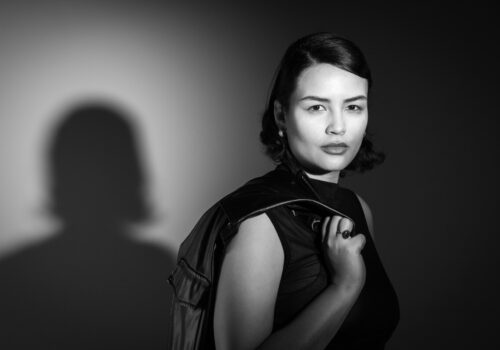
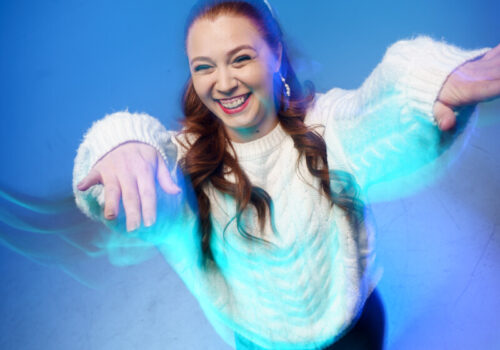
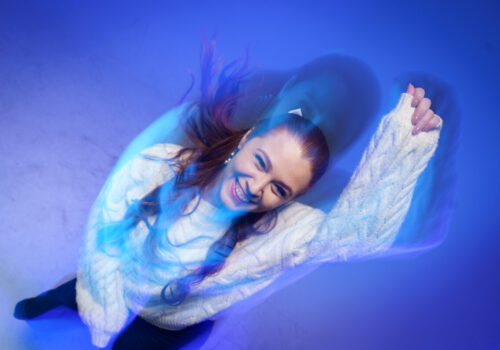
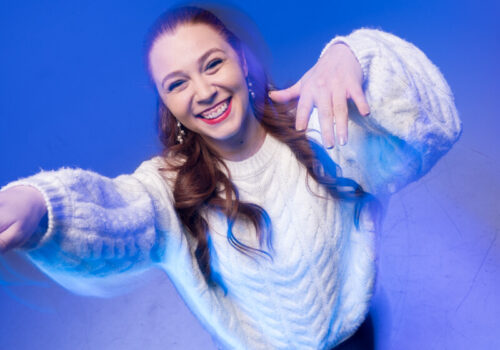
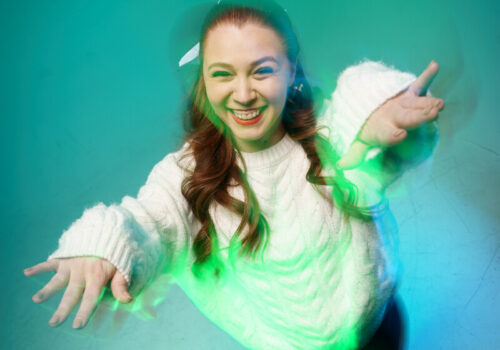
This past weekend I co-led a portrait workshop on “Dragging the Shutter”, creating tack sharp portraits with flash and then leaving the shutter open for a long period of time to absorb natural light, creating ghostly effects! My purpose in this workshop was to teach, and although I did create a few fun portraits, more than once you’d hear me shout, “I love it when the attendees take a better picture in their first shot than I did in the entire demo.” And I do mean that! My goal is to get our attendees into situations where they can thrive, by effective communication and encouragement. We work together to set up the pins, and then they knock ‘em down!
As I’ve developed my portrait workshops over the past 8 years, I’ve tried to minimize my role of “getting the shot” and try to keep my shutter count like a golf score. I always feel better when the attendees get the shot or when they can use the lighting setup we’ve created in an even more creative way! The more comfortable the attendees are with the setup, the posing and directing, and the full process, the more successful the workshop!
I love analogies, so create one by going back a few years to when the The Golden State Warriors won a ludicrous number of basketball games and multiple championships. I remember Steve Kerr, their current coach, had previously won an NBA Championship as a player. But few people really remember him as a player because he played on THE NBA Championship team. You know, the one with Dennis Rodman, Scottie Pippen, and, of course, Michael Jordan. Kerr was good, but you might not remember him today if it weren’t for the fact that he coached one of the greatest basketball teams of the 2010s. He managed personalities on that team extremely well and he harnessed the energy into something great. For a while, the GSW were nearly unstoppable.
My basketball analogy is running out because I’m not really a fan (although I was in 1996), but my point can be hammered home in many other sports, including my personal favorite, tennis. Most of the best coaches weren’t famous players, but they knew how to communicate effectively, train, and encourage their progress. Severin Lüthi. Marián Vajda. Paul Annacone. Unless you’re really into tennis, you probably have never heard of the coaches of Roger Federer, Novak Djokovic, and Pete Sampras, and the only reason you really know Toni Nadal and Richard Williams is because they share their names with their relative-pupils, Rafael and Serena and Venus! There are exceptions to this–Ivan Lendl and my personal favorite, Goran Ivanisevic are the most obvious examples of great players to become great coaches–but it’s rare.
Full disclosure- All our photography instructors in Hunt’s Photo Education are excellent photographers! However, they didn’t get their jobs because they were great photographers. Instead, they got their jobs because of their patience, their creativity, and their ability to train others in the craft of photography. (They also passed the test that they should never recommend students to “read their instruction manual”.)
I bring this topic up for two reasons. First, I strongly believe that just because someone is a great photographer doesn’t make them an amazing instructor. They’re simply two totally different traits. I think of what it takes to create a great photograph, and those skills can be quite solitary and time consuming, whereas teaching requires the instructor to manage groups, recognize strengths, and help develop creativity—not necessarily opposites, but different! Professional tennis is very similar to photography in its single-mindedness and solitary existence; being a good tennis coach requires that extra level of communication.
The second reason I bring this up is because of something I hear all the time: I want to have an instructor that has my camera, photographs what I photograph, and has the same worldly experience. While it’s extremely important that you get a teacher that has the knowledge you’re looking for, keep in mind that owning a specific camera or having a specific genre of photography are only some of the necessary qualifications that you’ll need in an instructor. That patience, demeanor, calmness, and creativity that our instructors have will always be their greatest assets and will make you excited to be doing more photography. Oh, yes, and it’s a bonus that they almost always know exactly what they’re talking about, regardless of the camera.
And so as I look back at this past weekend, regardless of the outcome of my personal selected few images, I’m confident in the success of the workshop because of the strength of the resulting images of the attendees! Or maybe the title of this should be “The Best Teacher Isn’t Always the Best Photographer”!